
From visa to daily life — what studying in China really looks like
China offers a safe, convenient and vibrant environment for international students. Here is the practical information you need, from visas to daily life, so you can settle in quickly.
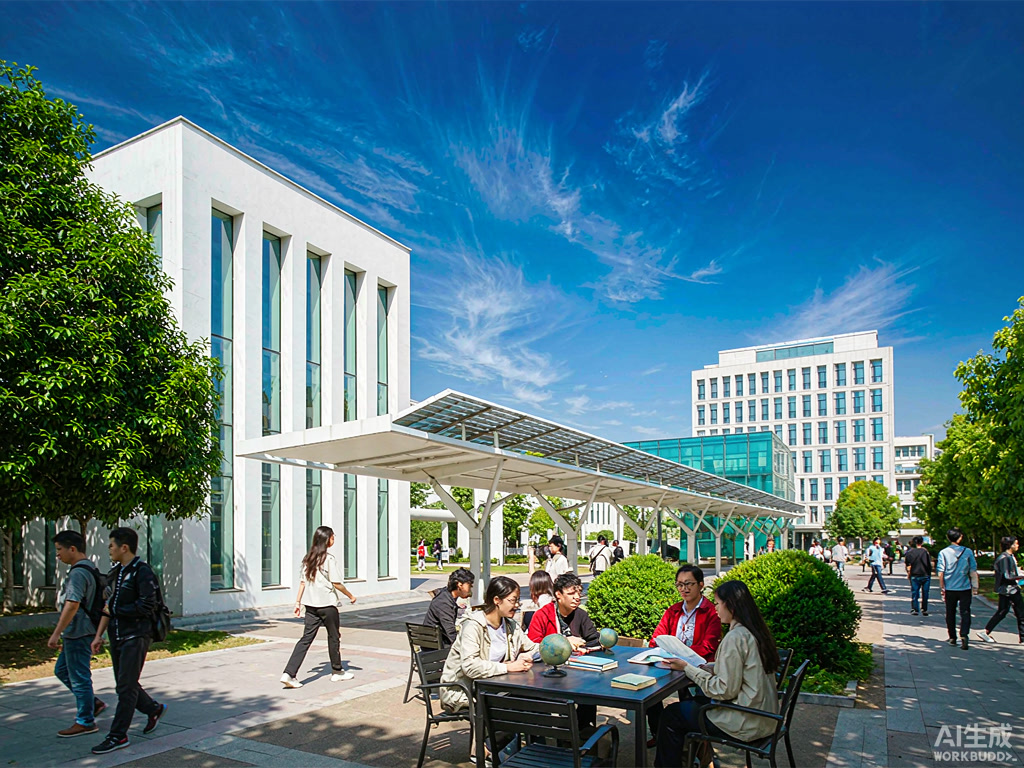
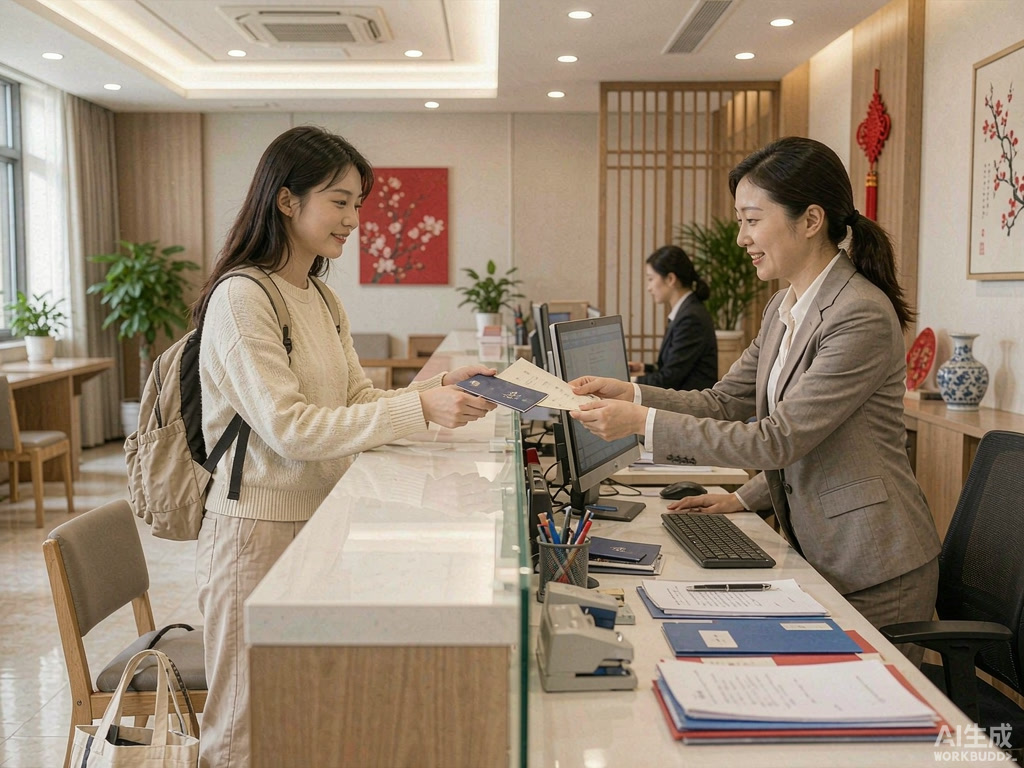
International students enter on an X visa: X1 for programs over 180 days, X2 for up to 180 days. Apply at a Chinese embassy/consulate with your admission letter and JW201/JW202 form.

On-campus dorms are safe, convenient and social; most schools prioritise freshmen, around 800–3,000 RMB/month. Off-campus rent gives more freedom, about 2,000–5,000 RMB/month in tier-1 cities.

With your passport, valid visa and school documents, open an account at Bank of China / ICBC etc. for transfers and fees.
WeChat Pay / Alipay cover almost all daily spending but need a Chinese bank card and local SIM — set them up soon after arrival.

Campus canteens cost about 10–25 RMB a meal; most campuses have halal canteens. Meituan/Ele.me delivery is everywhere, and big cities offer global cuisines and import stores.

Dense high-speed rail and city metros make travel fast; student transit cards give discounts. Most campuses are walkable or bike-friendly.

Per MOE rules, international students must join comprehensive medical insurance, about 800 RMB/year, covering basic inpatient/outpatient care.
Enrol through your school on arrival; also keep essential medicines and emergency contacts.
Four distinct seasons, cold dry winters (heated) and hot summers; pack warm coats.
Humid and warm, mild winters; watch for the plum-rain season.
Pack for your city's climate; you can buy more locally and cheaply.
Our advisors tailor a plan to your country, degree and target schools.
💬 Book a free consultation